Understanding Natural Foods and Nutrients
An educational resource exploring the role of natural foods in daily wellness for men
Educational content only. No promises of outcomes.
Overview of Natural Foods
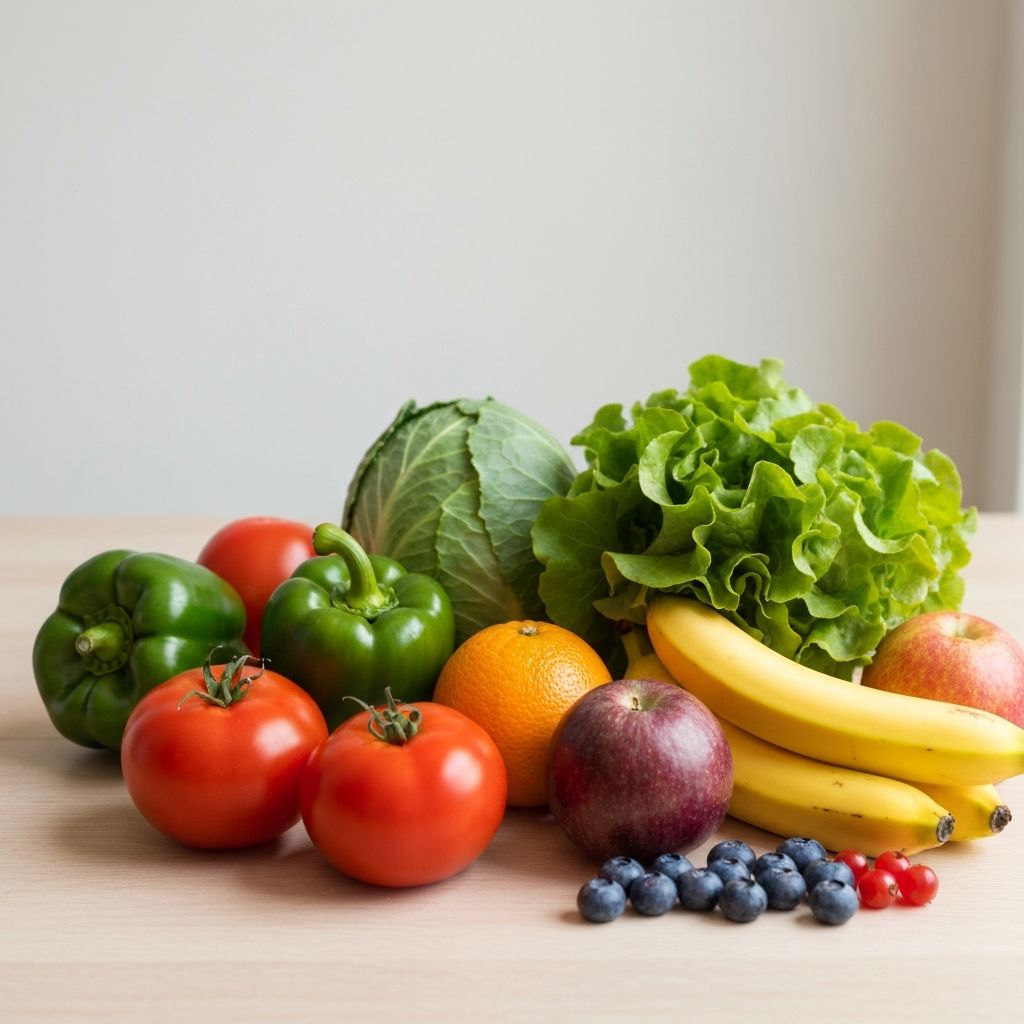
Natural foods encompass a wide variety of products that come directly from nature with minimal processing. These include fresh vegetables, fruits, whole grains, nuts, seeds, and legumes. Understanding the composition and nutritional value of these foods helps individuals make informed choices about their daily diet.
Vegetables
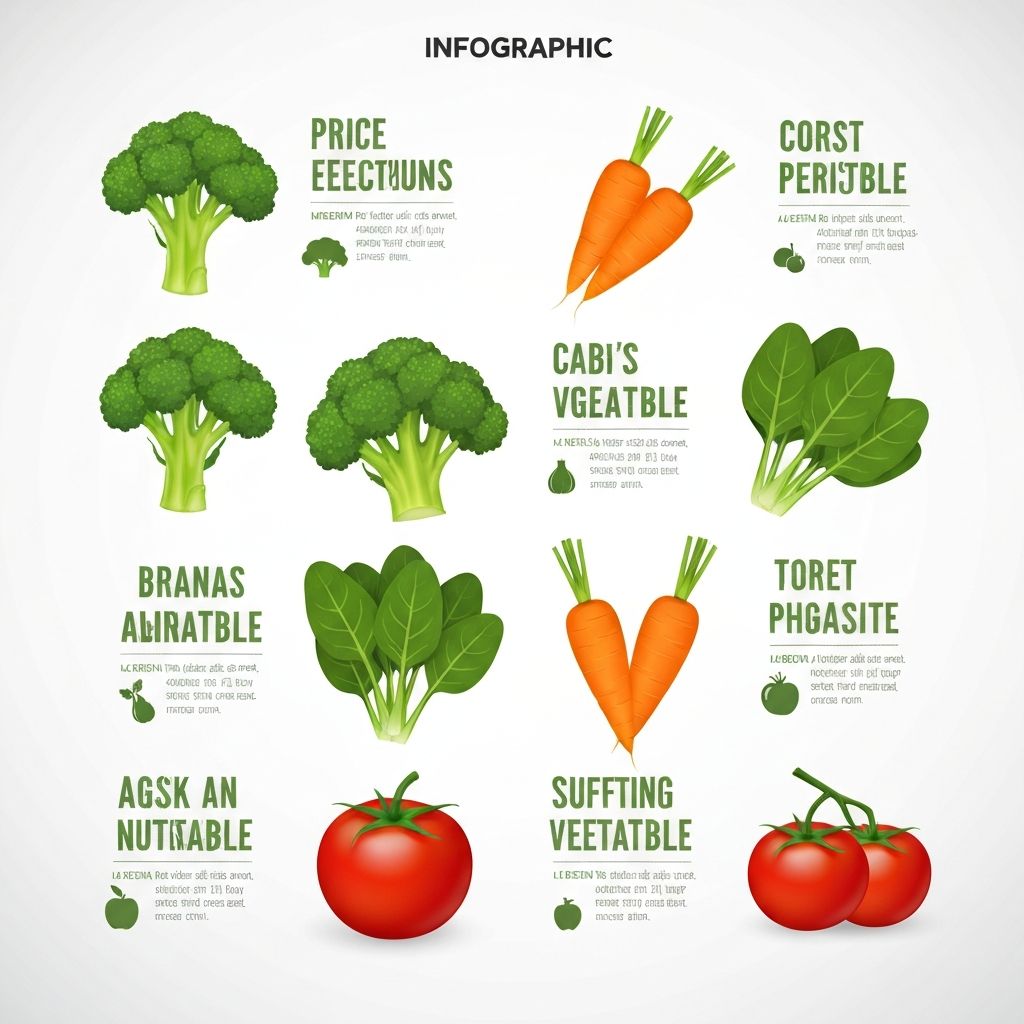
Leafy greens, root vegetables, and cruciferous vegetables provide essential vitamins and minerals.
Fruits
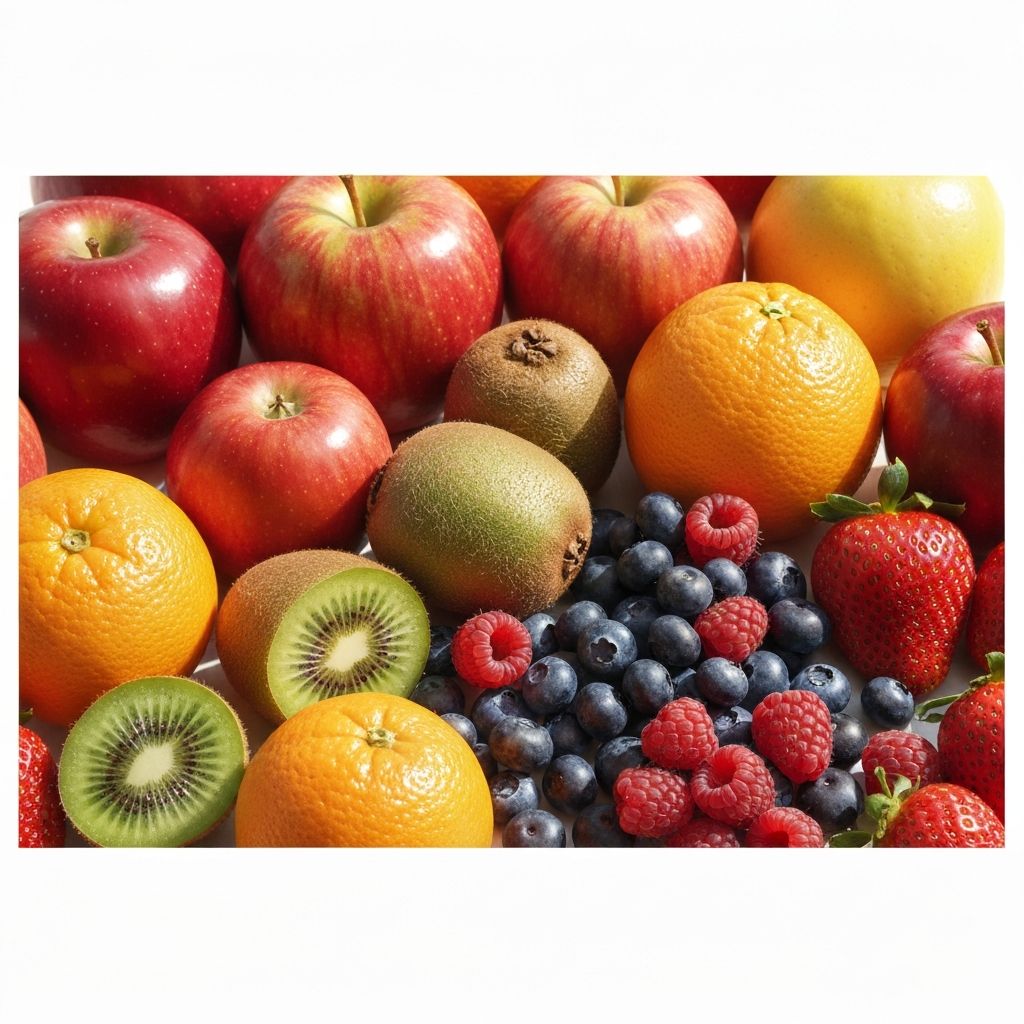
Fresh fruits offer natural sugars, fiber, and a variety of vitamins that support overall wellness.
Nuts and Seeds
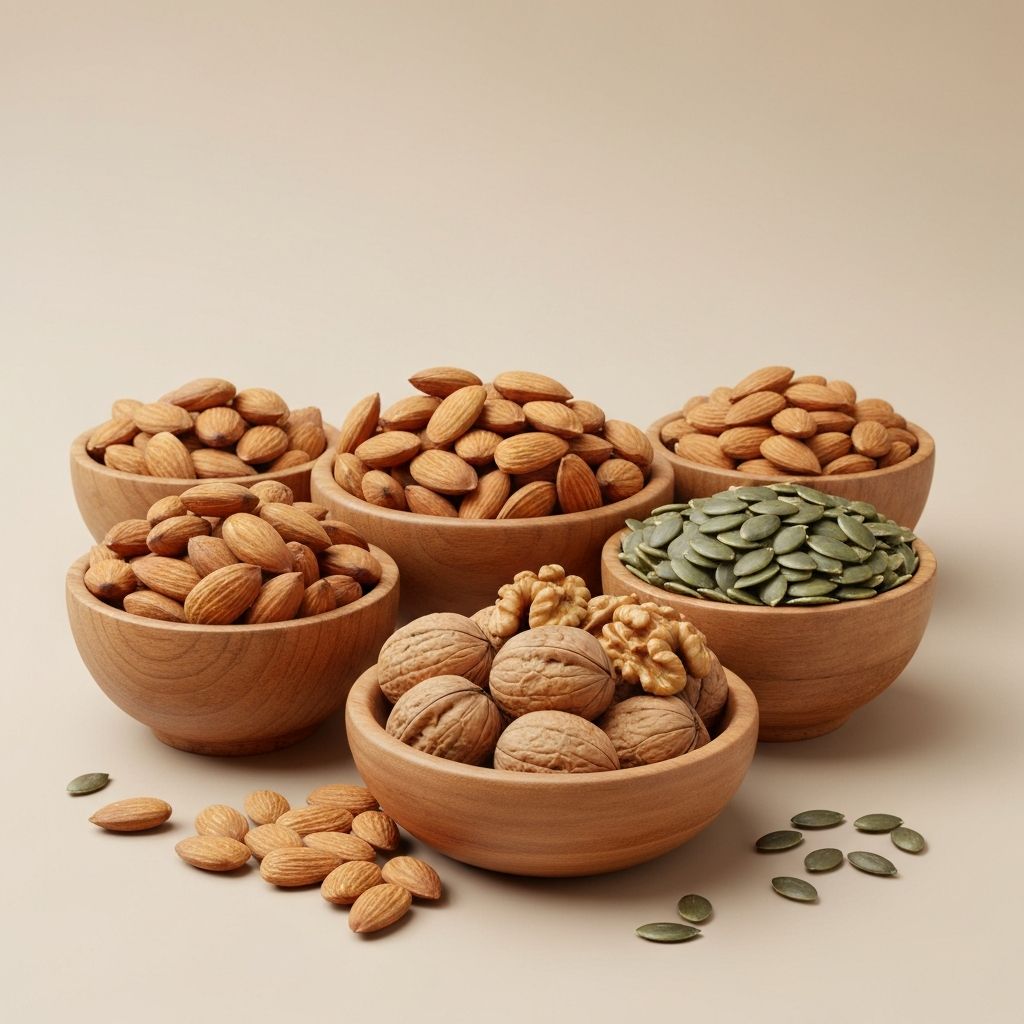
Rich in healthy fats, protein, and micronutrients, nuts and seeds are nutrient-dense options.
Daily Wellness Guide
Daily wellness involves multiple factors including nutrition, physical activity, rest, and lifestyle choices. This guide provides educational information about how different food groups contribute to overall daily routines.
Morning Nutrition
Starting the day with balanced nutrition can include whole grains, fresh fruits, and protein sources. Examples include oatmeal with berries, whole grain toast with avocado, or a smoothie with leafy greens.
Midday Energy
Maintaining energy levels throughout the day involves consuming balanced meals with vegetables, lean proteins, and complex carbohydrates. Salads, grain bowls, and vegetable-based dishes are common choices.
Evening Meals
Evening nutrition often focuses on lighter, easily digestible foods. Steamed vegetables, baked fish, or legume-based dishes are frequently chosen options.
Hydration
Water intake plays a fundamental role in daily wellness. Adequate hydration supports various bodily functions and is recommended throughout the day.
Vitamins in Foods
Vitamins are organic compounds found naturally in foods. Different foods contain different types and amounts of vitamins. Understanding which foods contain which vitamins helps in creating varied and balanced meal plans.
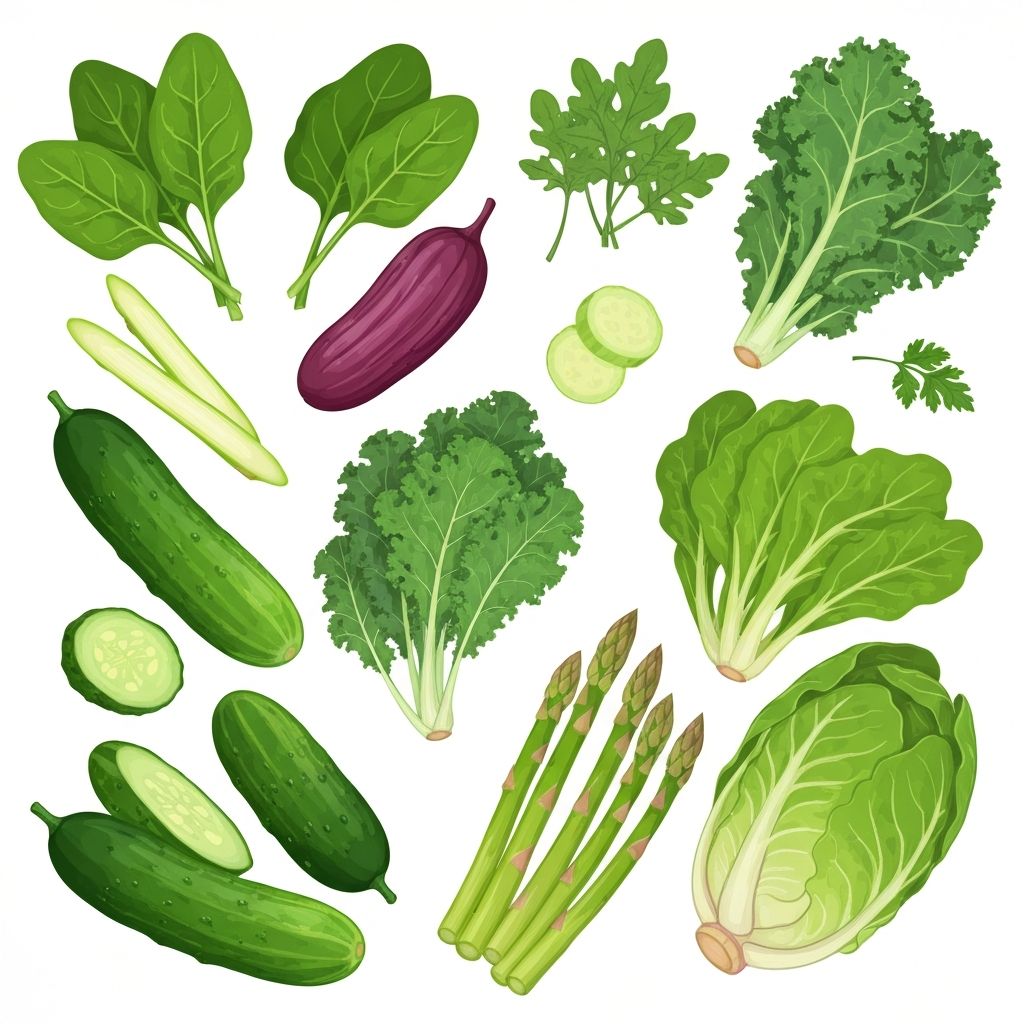
Vitamin K Sources
Leafy green vegetables such as spinach, kale, and collard greens are known sources of vitamin K, which plays a role in various bodily processes.
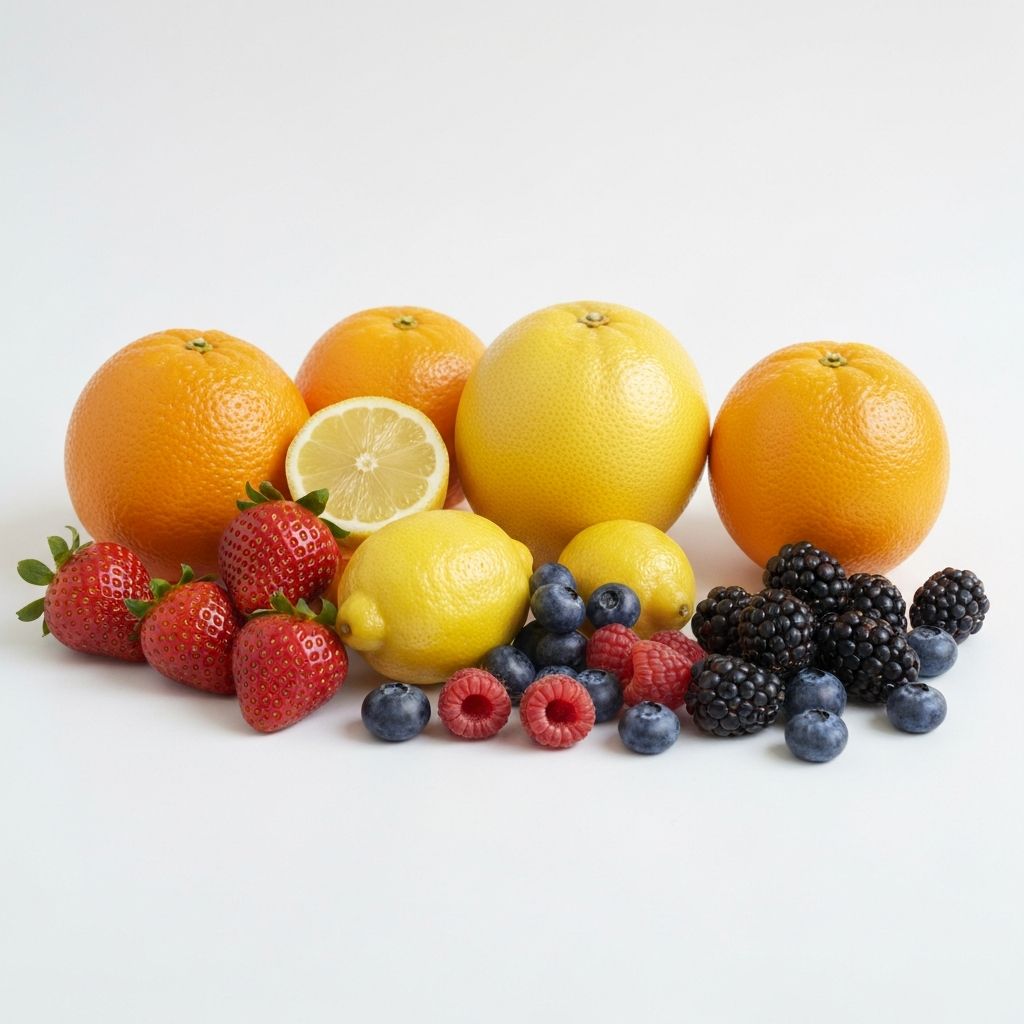
Vitamin C Sources
Citrus fruits, berries, and peppers contain vitamin C, an antioxidant that supports various functions in the body.
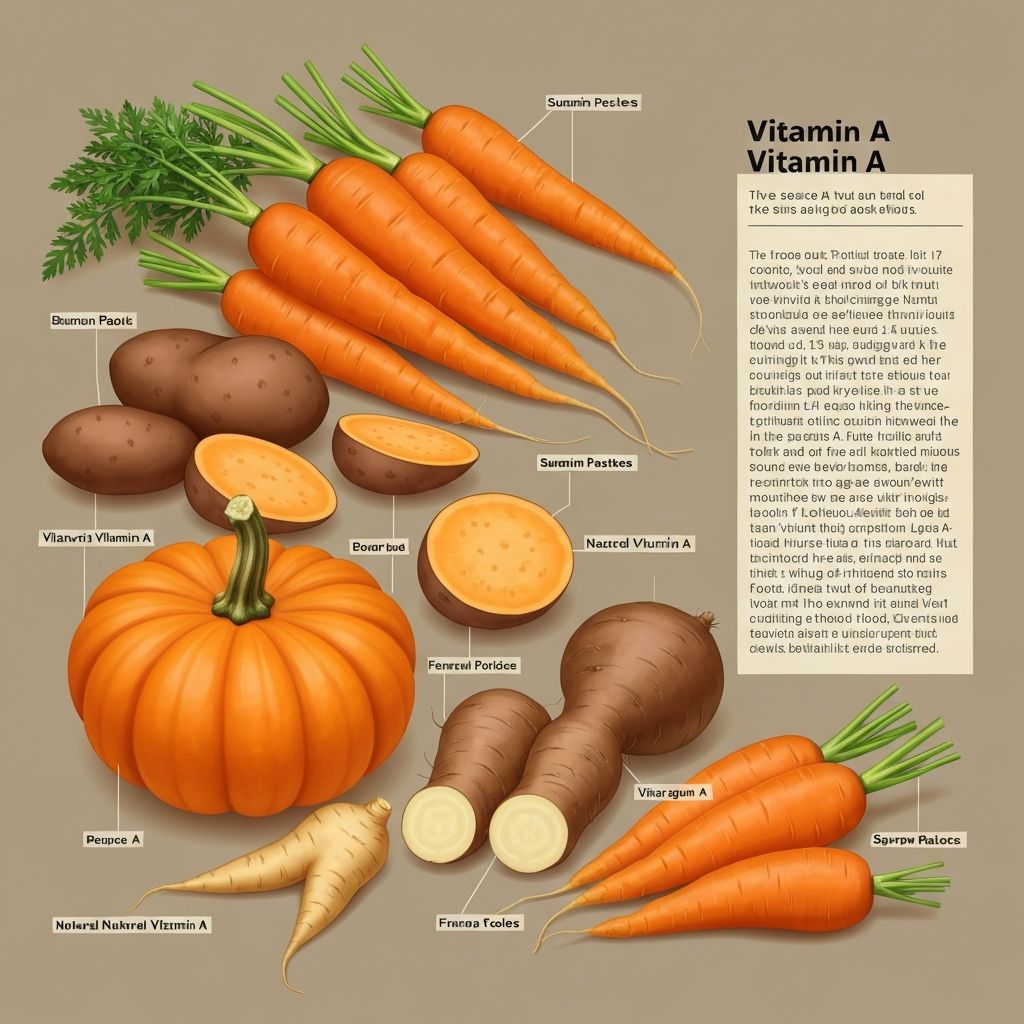
Vitamin A Sources
Orange and yellow vegetables like carrots, sweet potatoes, and pumpkin contain beta-carotene, which the body converts to vitamin A.
Educational Note: Vitamin content varies based on growing conditions, storage, and preparation methods. Information provided here is for educational purposes and represents general knowledge about food composition.
Balanced Diet Infographic
A balanced diet typically includes a variety of food groups in appropriate proportions. This concept emphasizes diversity and moderation rather than restriction.
Vegetables and Fruits
40-50% of daily intake
- Leafy greens
- Colorful vegetables
- Fresh fruits
- Seasonal produce
Proteins and Legumes
25-30% of daily intake
- Beans and lentils
- Nuts and seeds
- Fish options
- Lean proteins
Whole Grains
20-25% of daily intake
- Brown rice
- Quinoa
- Oats
- Whole wheat
Seasonal Fruits and Vegetables
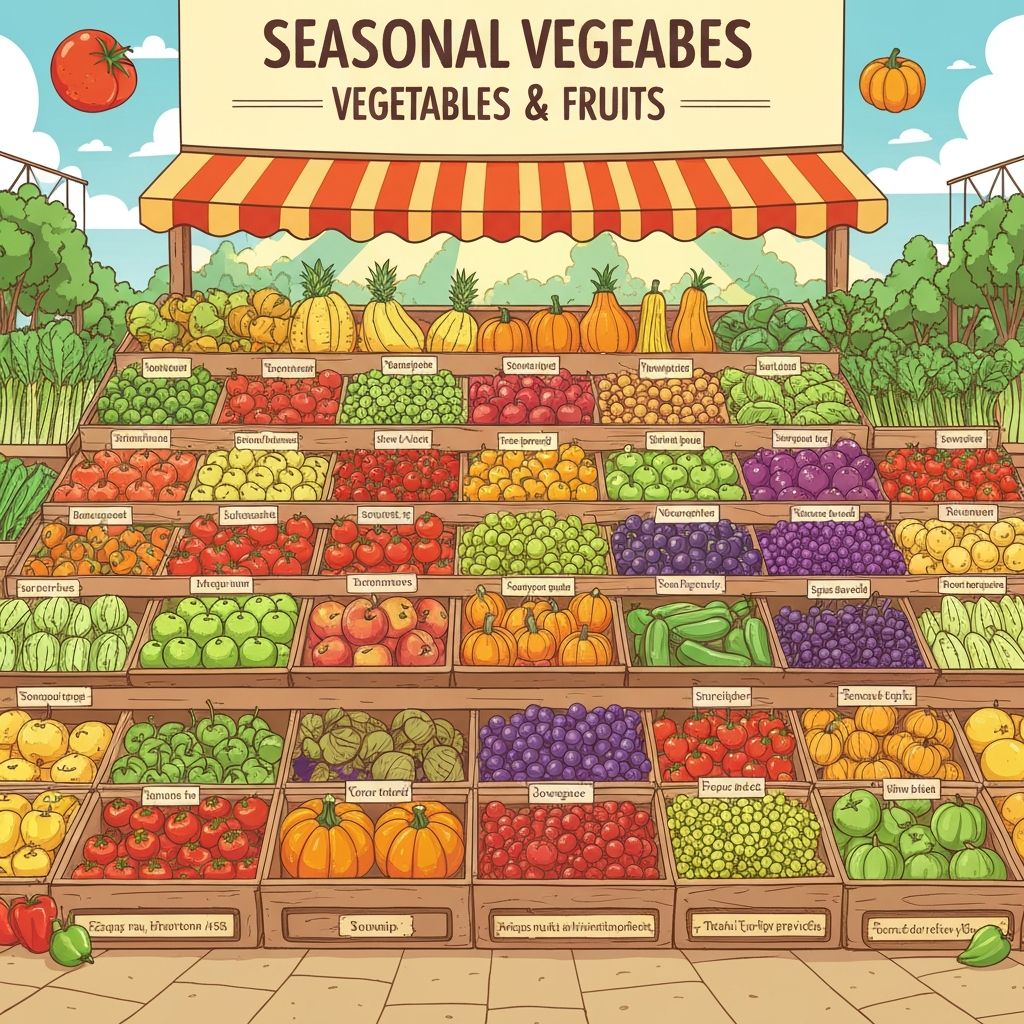
Eating seasonally means choosing fruits and vegetables that are naturally harvested during specific times of the year. Seasonal produce is often fresher and more abundant in local markets.
Spring
Asparagus, peas, strawberries, leafy greens, radishes
Summer
Tomatoes, cucumbers, berries, peppers, zucchini
Autumn
Pumpkins, apples, root vegetables, Brussels sprouts
Winter
Citrus fruits, cabbage, kale, winter squash
Scientific Insights
Nutritional science is an evolving field that studies how food components interact with the human body. Research continues to explore the relationships between diet and various aspects of health.
Macronutrients
Macronutrients include carbohydrates, proteins, and fats. Each plays distinct roles in providing energy and supporting bodily functions. Research examines how different ratios affect various populations.
Micronutrients
Micronutrients are vitamins and minerals needed in smaller quantities. Studies investigate their roles in cellular processes, immune function, and metabolic pathways.
Phytonutrients
Plant foods contain phytonutrients, which are compounds that give fruits and vegetables their colors. Research explores their antioxidant properties and potential health implications.
Gut Microbiome
The gut microbiome consists of trillions of microorganisms. Studies examine how diet influences microbial composition and diversity.
Nutrient Categories
Understanding different nutrient categories helps in planning diverse meals. Each category serves different functions in the body.
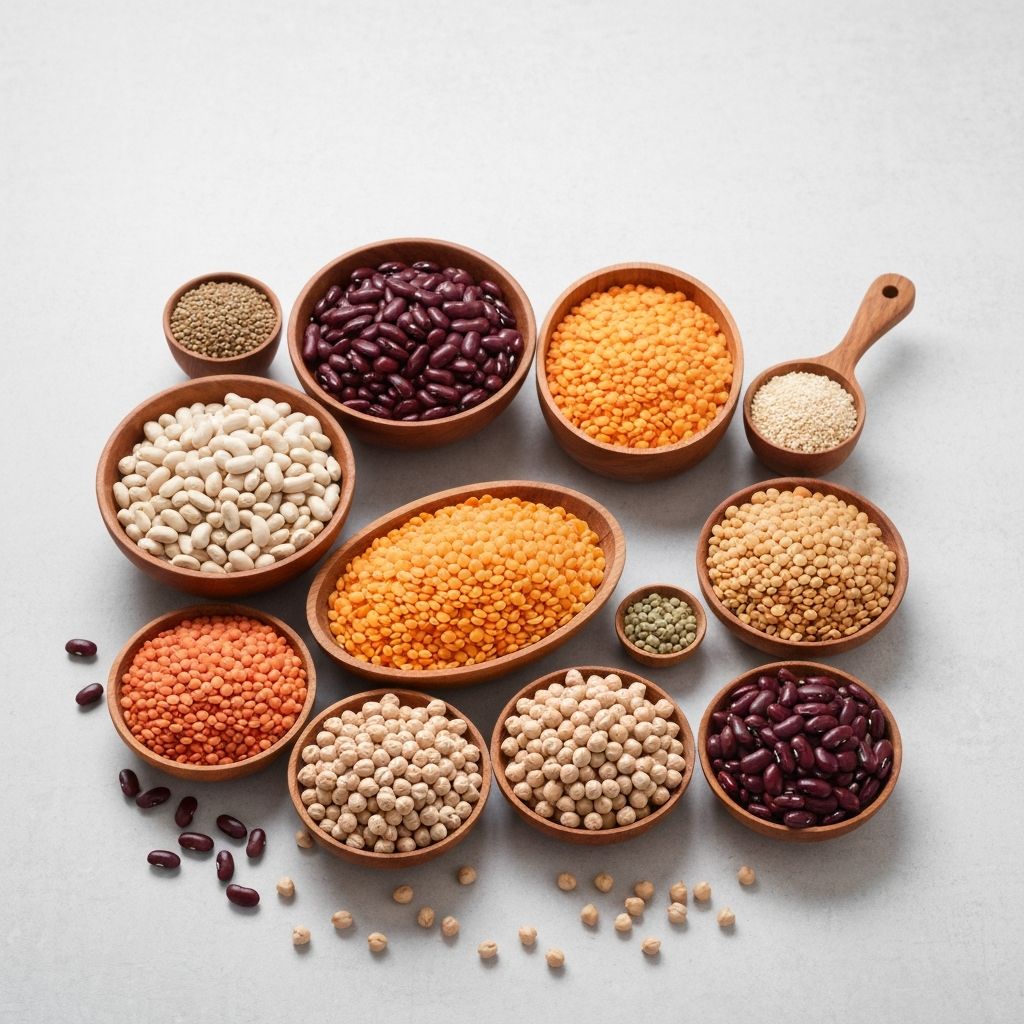
Protein Sources
Legumes, beans, lentils, nuts, and seeds provide plant-based proteins. Fish and lean meats offer animal-based options.
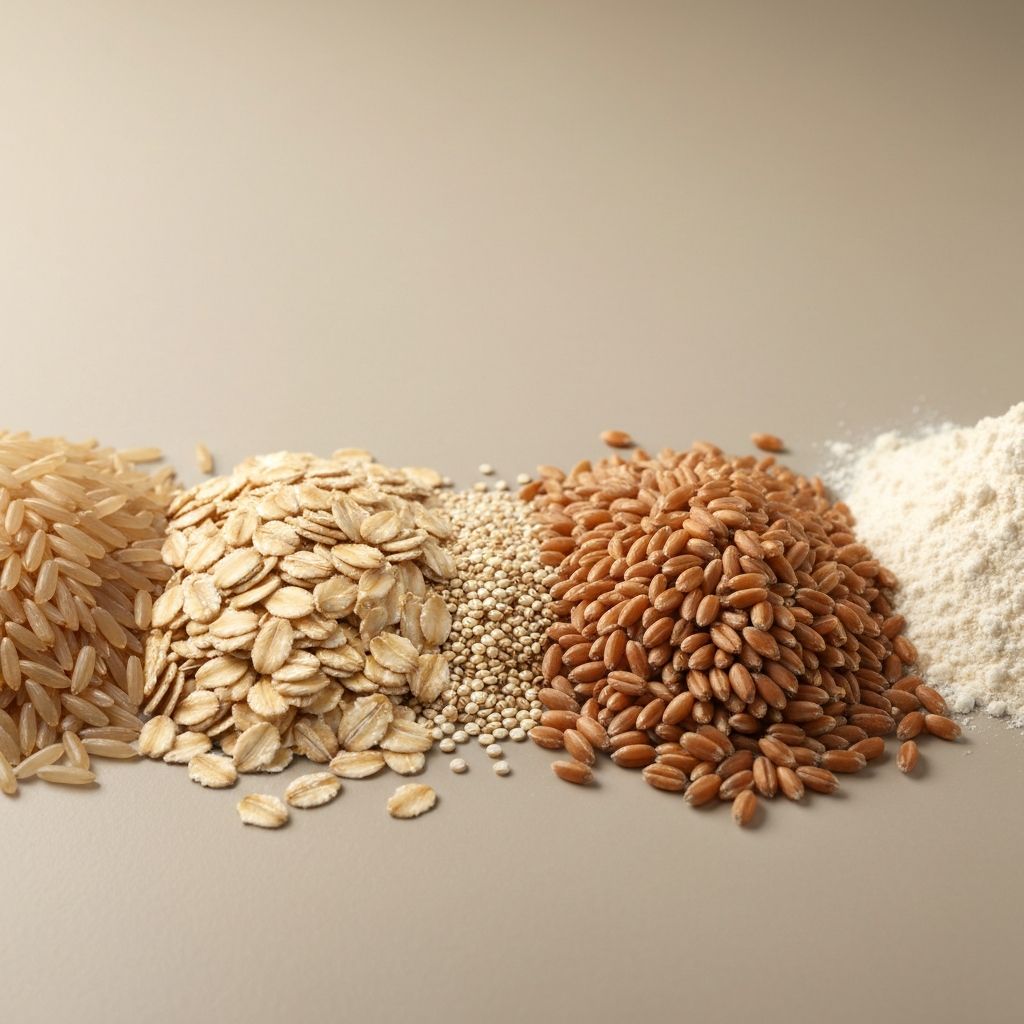
Complex Carbohydrates
Whole grains like brown rice, quinoa, and oats provide sustained energy and contain fiber, B vitamins, and minerals.
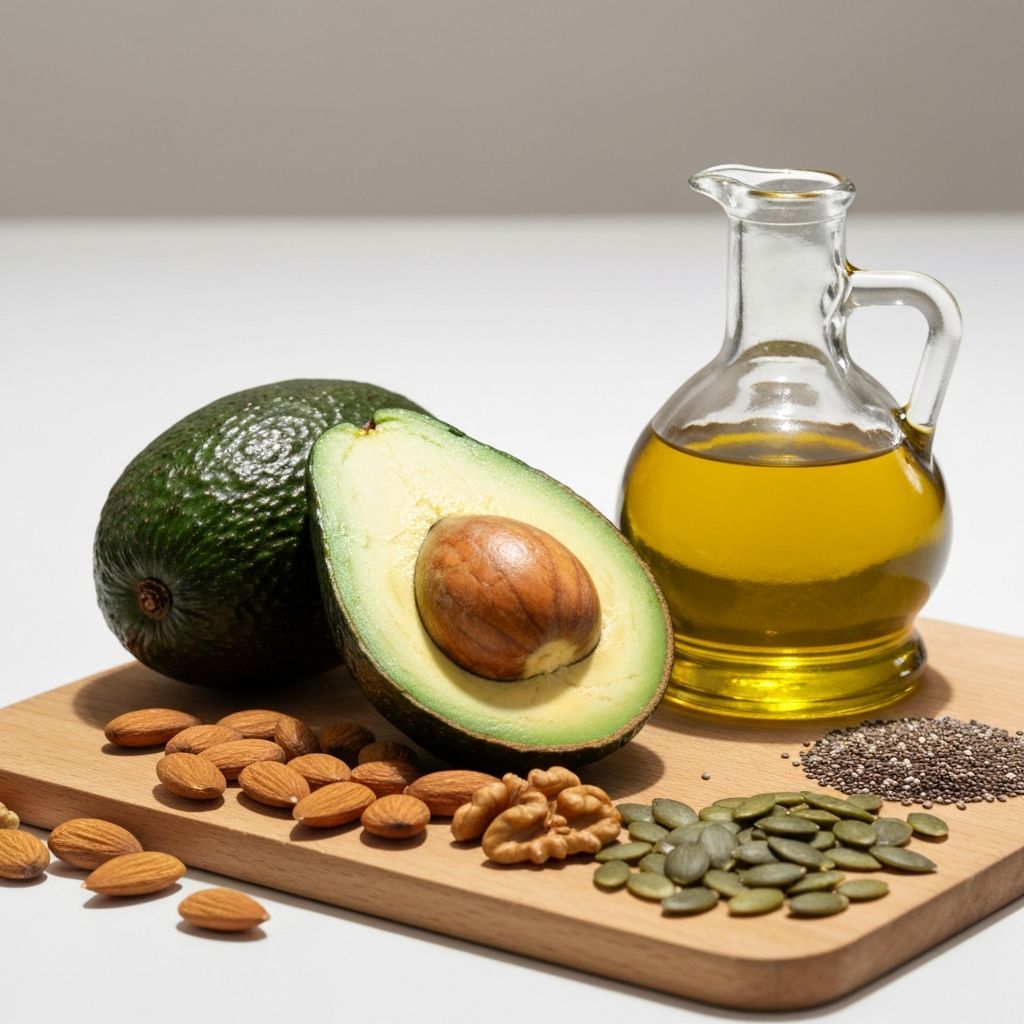
Healthy Fats
Avocados, olive oil, nuts, and seeds contain monounsaturated and polyunsaturated fats, including omega-3 fatty acids.
Myths and Facts
Many misconceptions exist about nutrition. Here we explore common myths and provide factual, educational information.
Myth: All fats are unhealthy
Fact: Fats are essential macronutrients. Unsaturated fats from sources like nuts, seeds, avocados, and olive oil play important roles in nutrition.
Myth: Carbohydrates should be avoided
Fact: Complex carbohydrates from whole grains, vegetables, and fruits provide energy, fiber, and various nutrients important for daily functions.
Myth: Fresh is always better than frozen
Fact: Frozen vegetables and fruits are often frozen at peak ripeness, preserving their nutrient content. Both fresh and frozen options have value.
Myth: Eating late causes weight gain
Fact: Weight management relates to total caloric intake and expenditure over time, not specifically to meal timing. Individual patterns vary.
Lifestyle Awareness Tips
Holistic Approach
Wellness encompasses multiple dimensions including nutrition, physical activity, sleep, stress management, and social connections. Each person finds their own balance.
Physical Activity
Regular movement supports cardiovascular health, muscle strength, and flexibility. Activities range from walking and cycling to swimming and sports.
Rest and Recovery
Adequate sleep is important for various bodily processes. Sleep needs vary by individual but typically range from 7-9 hours for adults.
Mindful Eating
Paying attention to hunger cues, eating slowly, and savoring meals can enhance the eating experience and improve awareness of fullness.
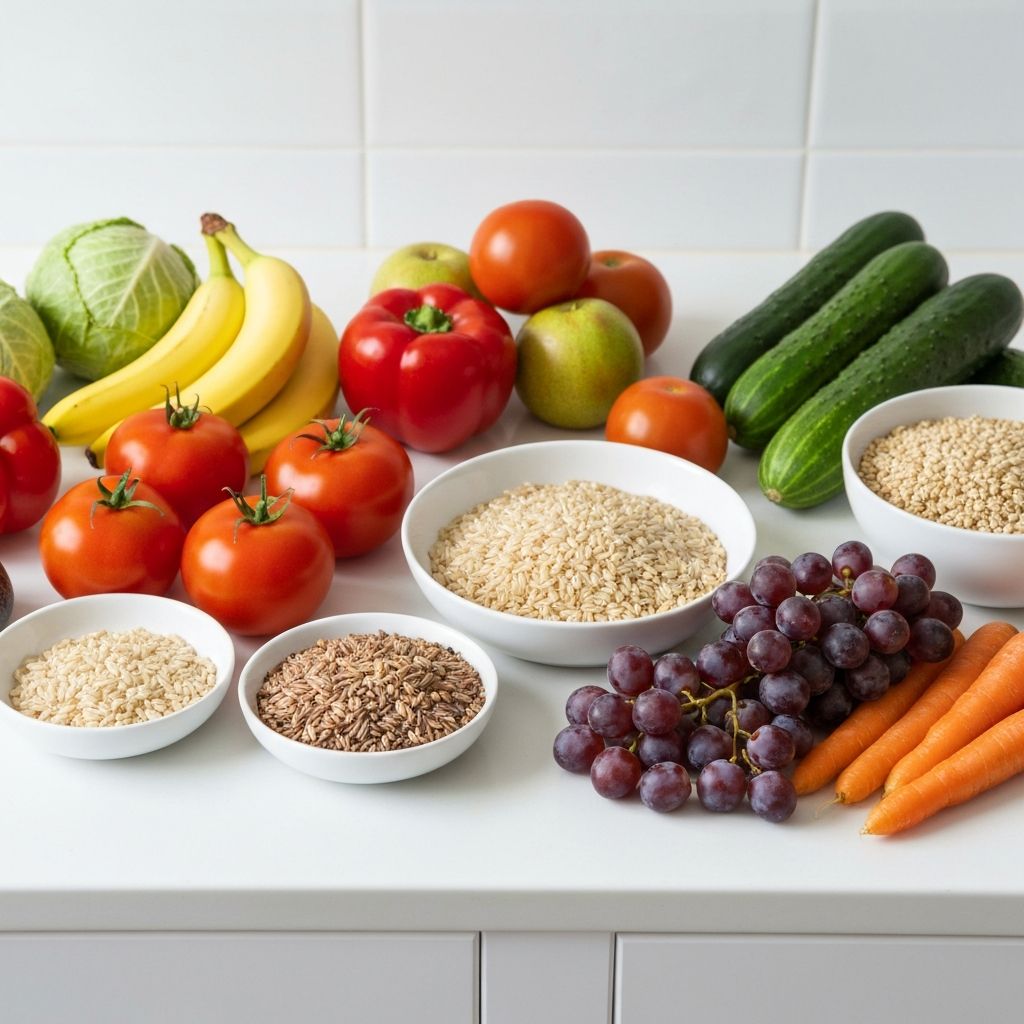
Natural Food Examples
Here are examples of common natural food categories that people incorporate into their diets. These are educational examples, not recommendations for purchase.
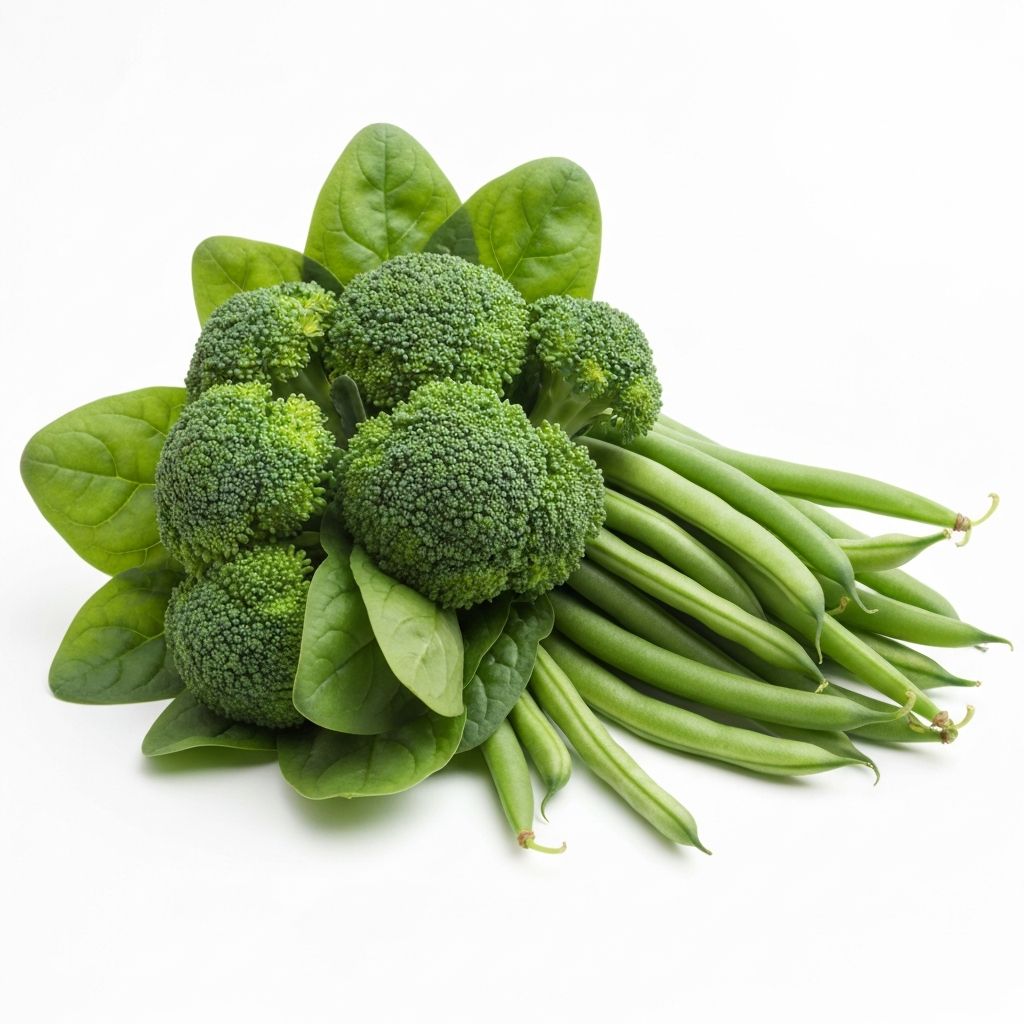
Green Vegetables Bundle
Green vegetables like broccoli, spinach, and green beans contain vitamins K, C, and folate. They also provide fiber and various minerals. These can be steamed, roasted, or eaten raw in salads.
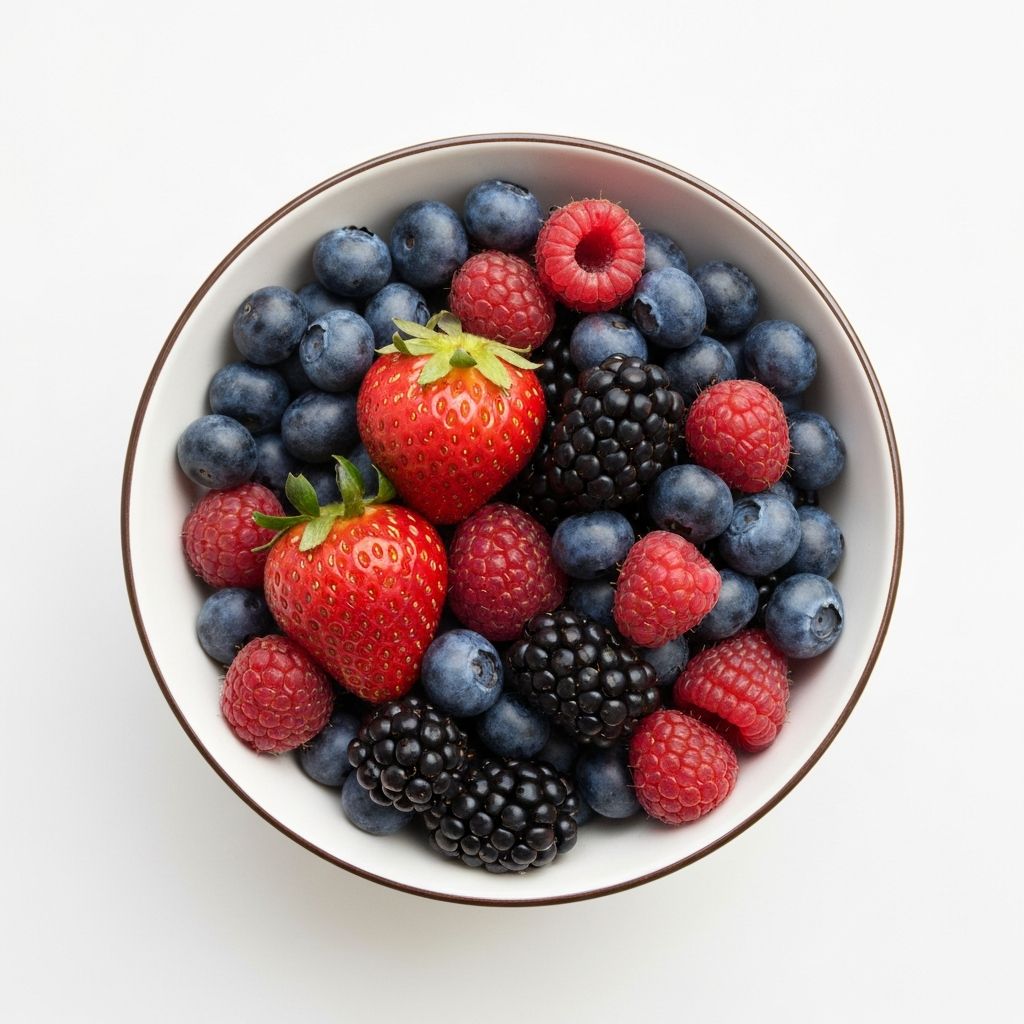
Mixed Berries Collection
Berries including blueberries, strawberries, and raspberries contain antioxidants, vitamin C, and fiber. They can be consumed fresh, frozen, or added to various dishes like yogurt and oatmeal.
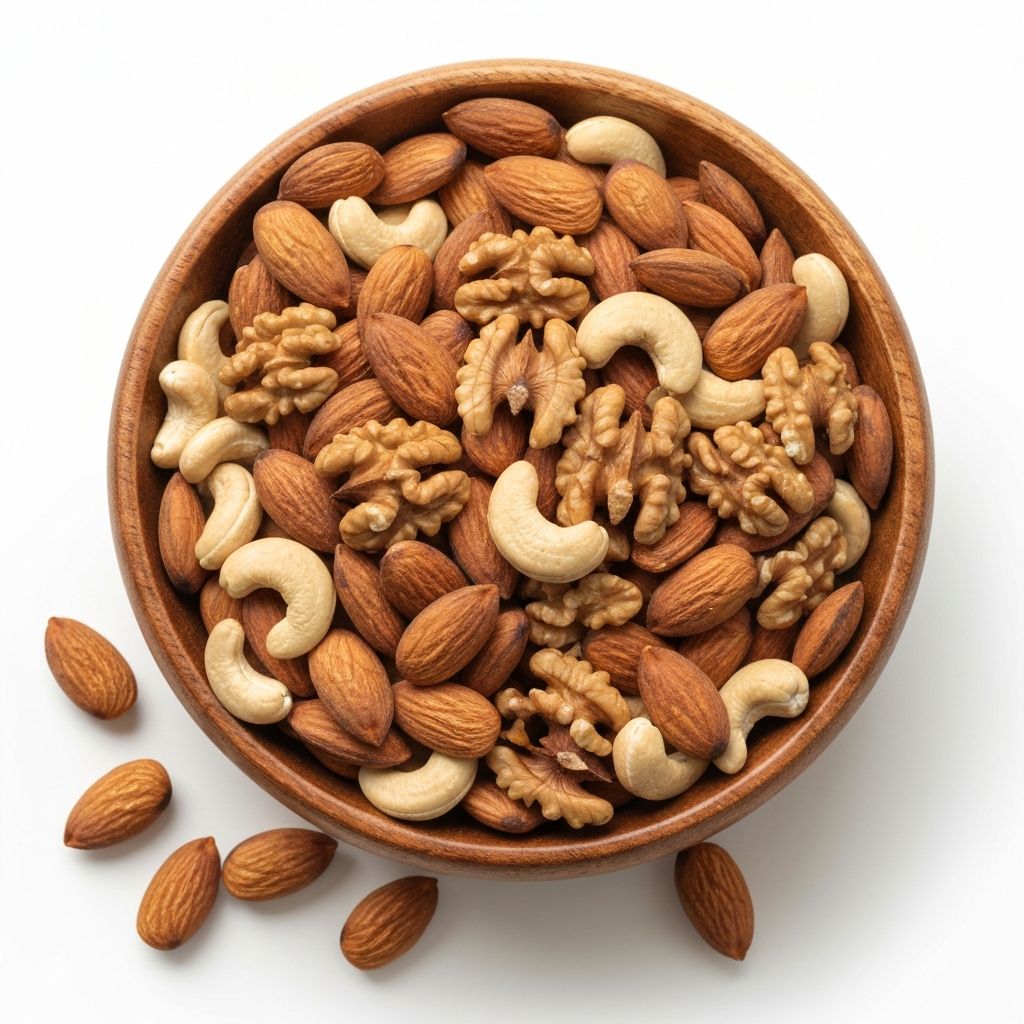
Assorted Nuts Mix
Nuts such as almonds, walnuts, and cashews provide healthy fats, protein, and vitamin E. They serve as convenient snacks or can be added to meals for extra nutrition and texture.
Educational Note: These examples illustrate common natural food categories. Individual dietary choices vary based on personal preferences, cultural traditions, and individual circumstances.
References and Studies
Nutritional information on this site is based on publicly available scientific literature and educational resources. Below are general areas of study:
Dietary Guidelines
Various health organizations publish dietary guidelines that provide evidence-based recommendations for populations. These include guidance on food groups, portion sizes, and nutrient intake.
Nutritional Databases
Food composition databases catalog the nutrient content of thousands of foods. These databases support research and education about nutrition.
Clinical Research
Clinical studies investigate relationships between dietary patterns and health outcomes. This research contributes to evolving understanding of nutrition science.
Food Science
Food science examines the physical, chemical, and biological properties of foods. This field explores topics like nutrient stability, bioavailability, and food processing effects.
Community Knowledge Hub
This website serves as an educational resource for those interested in learning about natural foods and nutrition. Knowledge sharing helps build broader understanding of these topics.
Educational Articles
Explore various topics related to food science, nutrition basics, and dietary patterns through informational articles.
Learn moreFood Categories
Understand different food groups, their nutrient profiles, and how they fit into balanced eating patterns.
Explore topicScientific Context
Learn about the scientific basis for nutritional information and how research contributes to our understanding.
Read full articleContinue Learning
Explore more educational content about natural foods, nutrition science, and wellness concepts. This resource provides information for those interested in understanding these topics more deeply.
Learn more about this resource Get in touchLimitations and Context
This website provides educational information about natural foods and nutrition for informational purposes only. The content is not intended as individual advice or recommendations. Nutritional needs vary greatly among individuals based on numerous factors.
Different approaches to nutrition exist, and what works for one person may not work for another. This resource does not replace personalized consultation with qualified professionals. For specific concerns or questions about your individual situation, consult with appropriate experts.
The information presented represents general educational content about food composition, dietary patterns, and nutritional concepts. It does not constitute promises of specific outcomes or individualized guidance.